
In week 8’s meeting we discussed all things surrounding technology-integrated assessment, including what educational assessment is and both its cons and impacts. Assessment is a huge topic within education and will be a consistently recurring task for ourselves, as future teachers, to navigate. I am both excited and curious to see how I will be implementing assessment into my future classrooms, which struggles I find the most prominent and how I will go about adjusting my approaches. I hope I can apply a system centred around inclusivity and flourishing for my classroom environment while upholding and maintaining accurate assessment skills to best support all of my students.
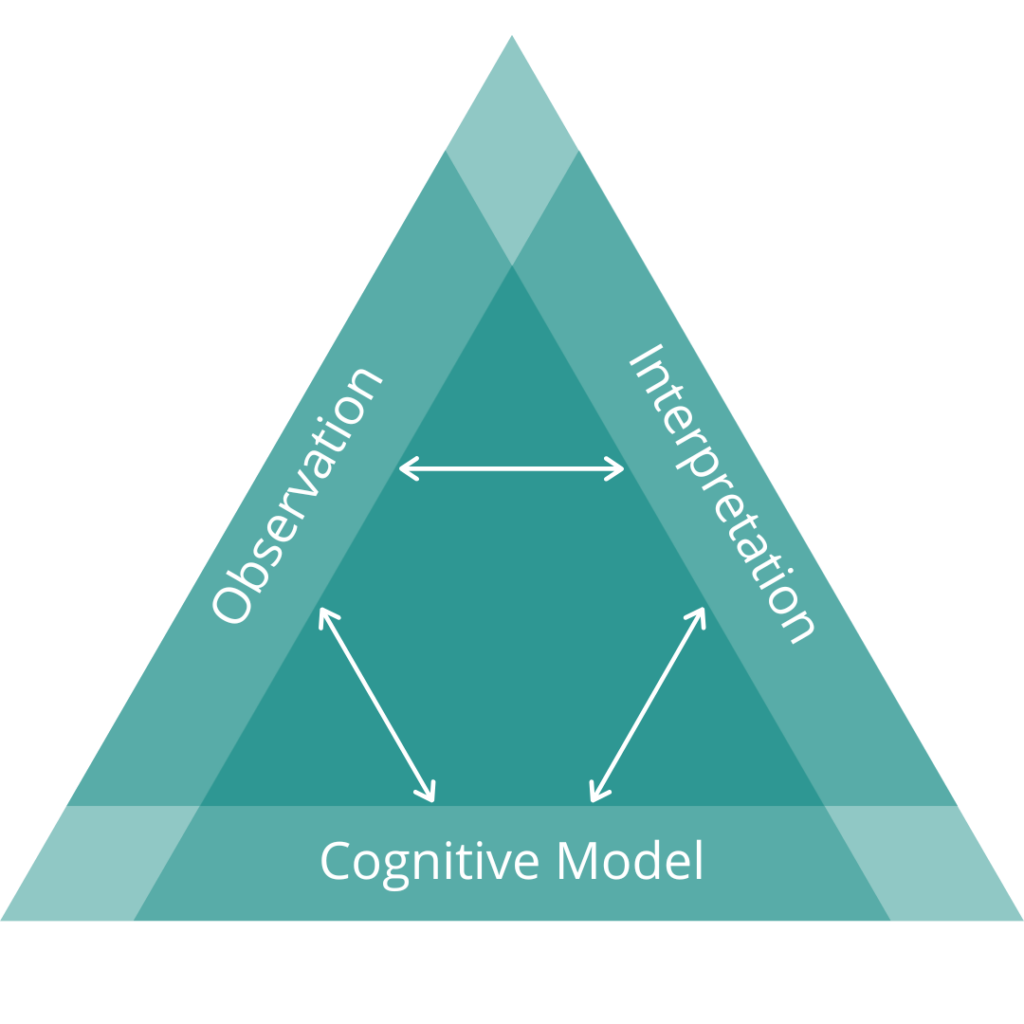
Colin’s article allowed me to expand my learning about educational assessment and how complicated it can be for teachers to measure a students understanding of a topic because we cannot necessarily physically see a students knowledge. There are both various external and internal factors that can impact a students learning and how they demonstrate their understanding which makes fair assessment considerably more complex for educators. From the reading I learnt that educational assessment can be shown through three elements that are crucial in allowing teachers to understand their students learning. The first piece is “Domain” which essentially means the learning goals that instructors hope for students to achieve in a lesson. The domain should not be an activity students complete but instead a degree of knowledge a student should retain relating to said topic. Lastly, the learning targets should be tangible and both applicable and useful in the real world. The second part of this idea is “Observation” which is the ability for a learners work to be demonstrated to their teacher in some capacity. Observation is very open ended and allows for creative freedom as a students work can be shown in various ways. The last component of this model is “Interpretation” which is when a teacher infers a student’s understanding of a topic based on the demonstrations provided. Through these three important aspects of educational assessment, an accurate evaluation should be possible. In my future classroom I would like a printed photo of the model to continuously remind myself what both me and the students should be mindful of and working towards.
While educational assessment can be a helpful tool for both teachers and students there are certainly risks attached to the approach that teachers should be conscious of. Instructors, especially in higher levels of education, can sometimes rely too heavily on a given grade. For example, a number grade 1-100 is not a perfectly accurate portrayal of a students understanding or ability and is actually more of an estimate. When a student receives a grade 1-100, intentionally or not, they can begin to think they only know that percent of the material which in reality could be completely false. There are numerous reasons a student performance could lead to receiving a specific grade and as educators it is our responsibility to take those factors into consideration, which can be a difficult job.
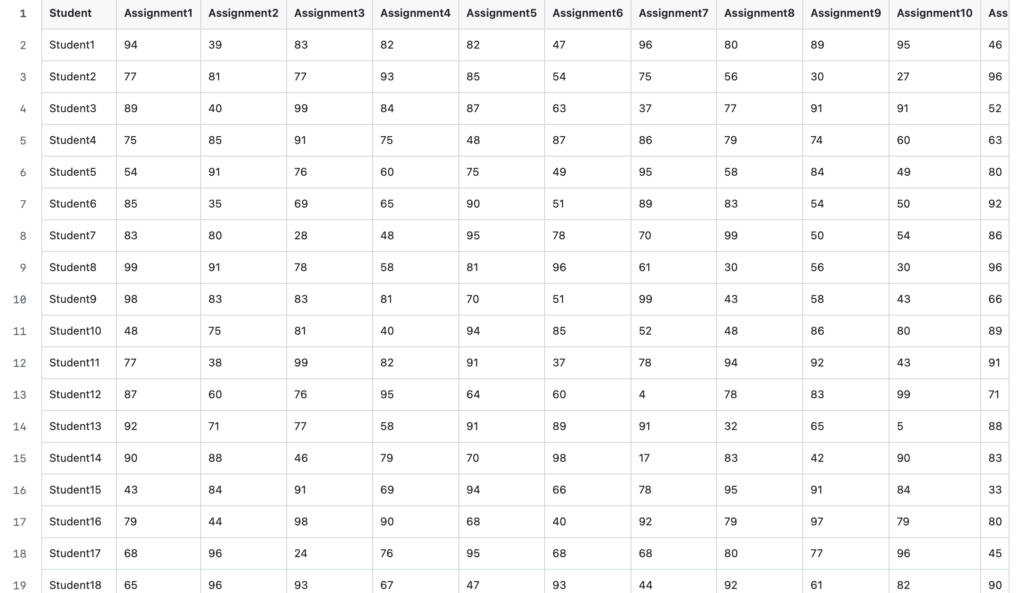
In Friday’s class we completed an activity in our learning pods where we were instructed to take a look at 100 students hypothetical number grades. We had to discuss and collaboratively decide how we would interpret the course grades and apply them to the students final grades, as if we were their teachers. The grades varied from assignments, papers, midterms and finals and ranged from 1-100. Out of simplicity, my group decided to weigh everything the same and we discovered that every students final grade would be a 75. Once we all joined back together as a class we were able to share and listen to the other groups thought processes. One group suggested that each student’s lowest grade would be dropped because there are many factors that contribute to a grade such as how much someone has ate, slept, if they made a silly mistake, lacked preparation or is experiencing family/friend issues and the list could go on. I valued that idea because I certainly have had off days where there were conditions in my personal life that led to me not performing my best in my academic life. Those type of considerations are crucial for teachers to keep in mind in order to create a welcoming classroom environment.
I understand there are intentional systems in place in the educational world but I definitely see the struggle and share the frustration that teachers and students feel towards certain aspects of assessment. As a future teacher I will of course follow the expectations of the curriculum but while saying that, I would also like to incorporate my own creative freedom towards assesment in an attempt to create a more fair and accessible grading system for all types of learners. I would never want my classroom to be a stressful or dreaded space for students and I hope I can find a framework where different approaches to learning and understanding are welcomed. It will absolutely be a difficult job to find balance in students feeling accepted and supported by me academically while also pushing them to try their best and be successful from my teaching, however that may look for each individual.

I can certainly relate to frustration regarding the grading system throughout my own university experience, especially in my first year. I found that the majority of my classes were broken into three components that I would be graded on: assignments, midterms and finals. While I don’t mind assignments because there is usually designated time to complete the work, midterms and finals do not typically share that same expectation. I remember studying for weeks in advance for a midterm and spend hours memorizing terms and methods for math and science classes but regardless of all of my energy there were still times I fell short with the grades I received. Specifically in my multiple choice tests I could have worked so incredibly hard studying but if I was not able to identify the correct answer, there was no way around that. I wished there was a way for my grade to be reflective of my efforts because I would leave feeling like I had wasted my time when I got a less than ideal grade back for a test I had devoted so much of my time to. After experiencing such structured testing, I am now able to reflect on the importance of being aware of different types of learners because everyone is truly unique in how they can best demonstrate their understandings.
I thoroughly enjoyed this week’s conversation about academic assessment and I gained beneficial resources and opinions to keep in mind as I continue to experience the educational field as a teacher.