
In this week’s class we did something different than our usual online session and took our learning in-person to Pacific School of Innovation and Inquiry. We got to tour the building, learn about the style of education and ask questions to the founder and principal, Jeff Hopkins. This experience was awesome for immersing ourselves in the different types of learning styles and I was deeply grateful for the opportunity to visit PSII.
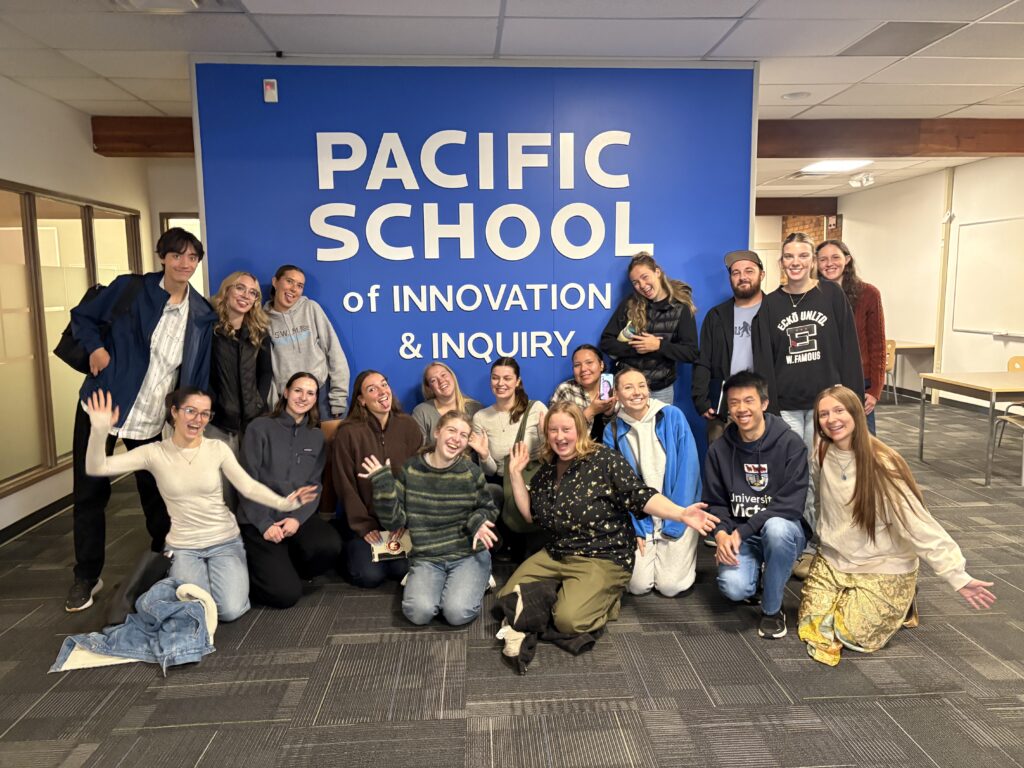
Some of the learning strategies and approaches that stood out most to me was the fact that students have so much control and responsibility over their learning. For example, Jeff shared how students get to choose what classes they want to spend their time in and what type of projects they want to devote their time to. There are no bells, class schedules, designated lunch periods or anything under the umbrella of students not having their own freedom of autonomy. Instead of attendance, students sign in and out at the office and if they need to take a walk around the block, all they have to do is sign out and then they are free to leave. The school and faculty put so much trust in their students in the hopes of providing them with a positive learning experience. While kids are in grades 9-12 at PSII, students are often not even aware of their peers grade level because all collaborative learning happens school wide, not grade focused. This education style meets students where they are at instead of where the curriculum expects them to be and gives students the opportunity to have a say in what they are learning which promotes genuine interest and motivation in students. There were so many interesting approaches to learning in PSII that I didn’t know were even possible and I found our visit incredibly fascinating.
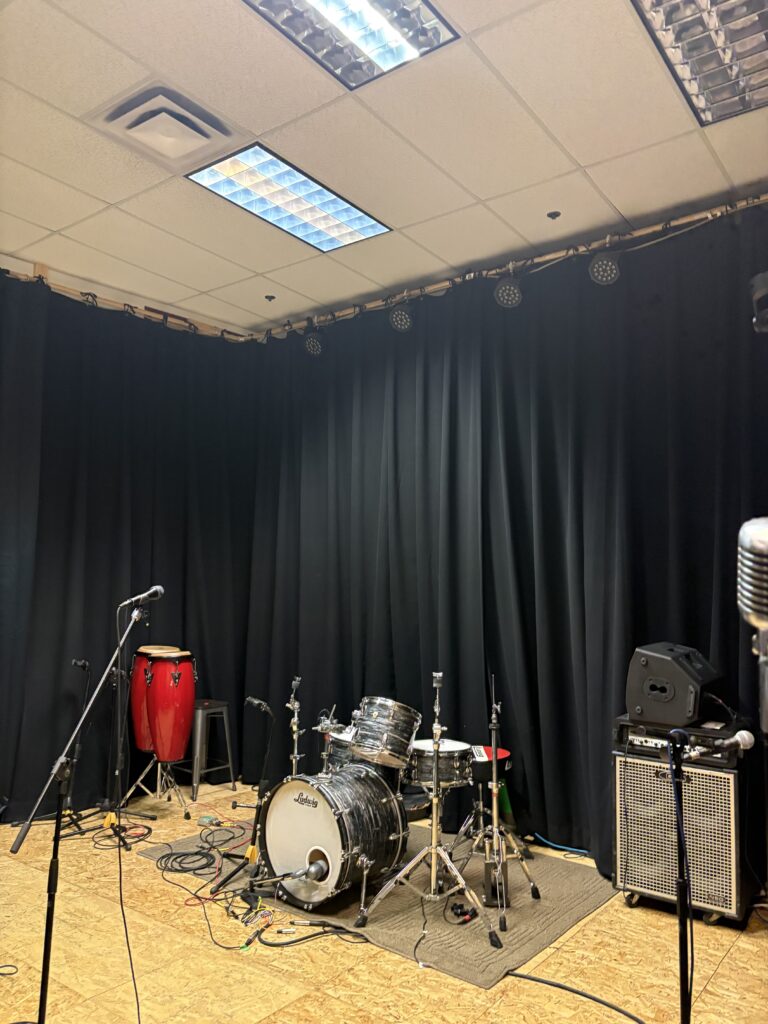
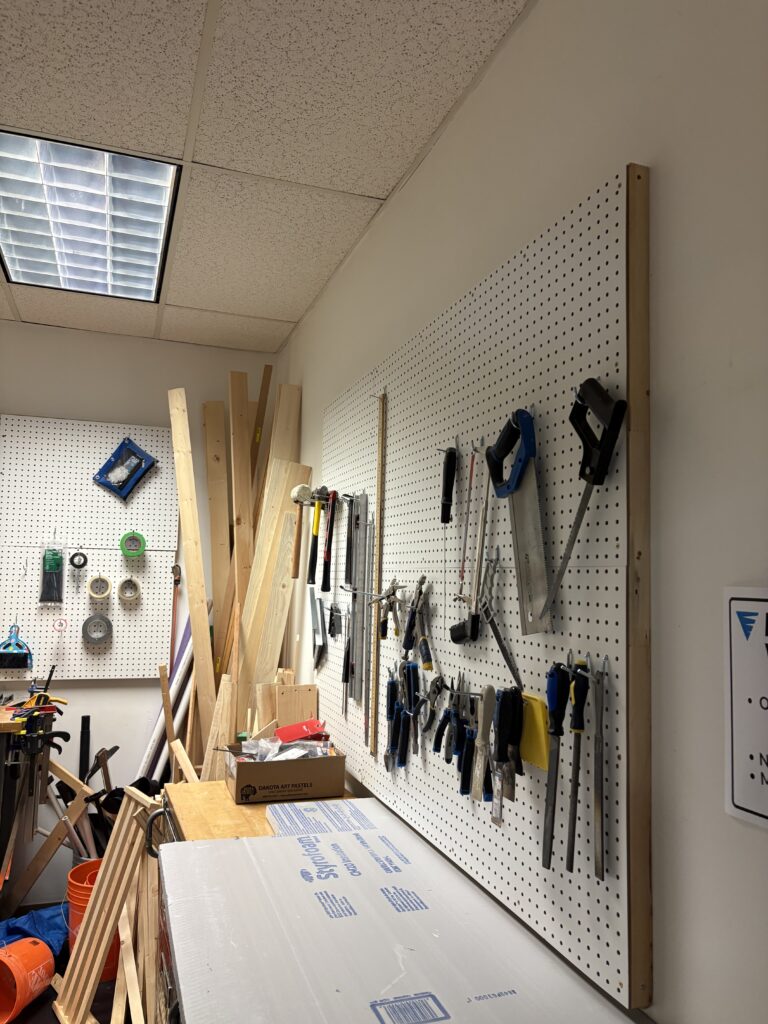
I appreciated and found myself aligned with many of the core values and approaches done at PSII. I saw lots of benefits of giving students freedom over their work. I think it encourages authentic care and effort because students will be learning about topics that sincerely spark fascination in their minds. I also think PSII inspires students to be creative and responsible at a young age because of the professional and personal independence they are given. They had so many amazing resources available for students like ceramics with kilns and wheels, recording studios, fashion materials, musical instruments, woodworking tools and more. Jeff recognized that many of the students at PSII are neurodivergent and I think it’s cool that this school has provided a safe and welcoming space for different learners who may not have found themselves aligned with more traditional schooling. Lastly, Jeff had mentioned how teachers are able to work one-on-one with students and have at least four meetings with a student per week to discuss the development of their projects/learning. Teachers at PSII have the time and resources available to them to allow for all of their work to be completed during the school day which contrasts heavily to other school systems. Instead of going home and still having marking and lesson planning to get done, your schedule is free for you to decompress and set yourself up for success for the following day which in turn will also benefit your students. As a future teacher I see so much value in that approach and appreciated Jeff taking the time to recognize how important it is for teachers to have time to themselves.
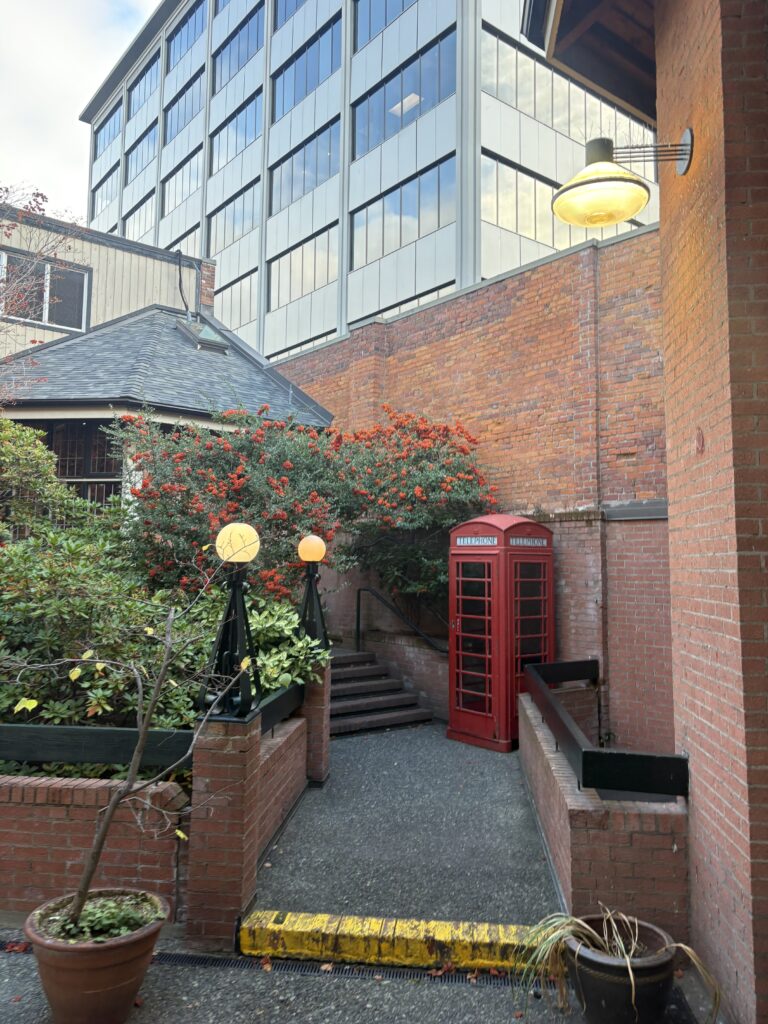
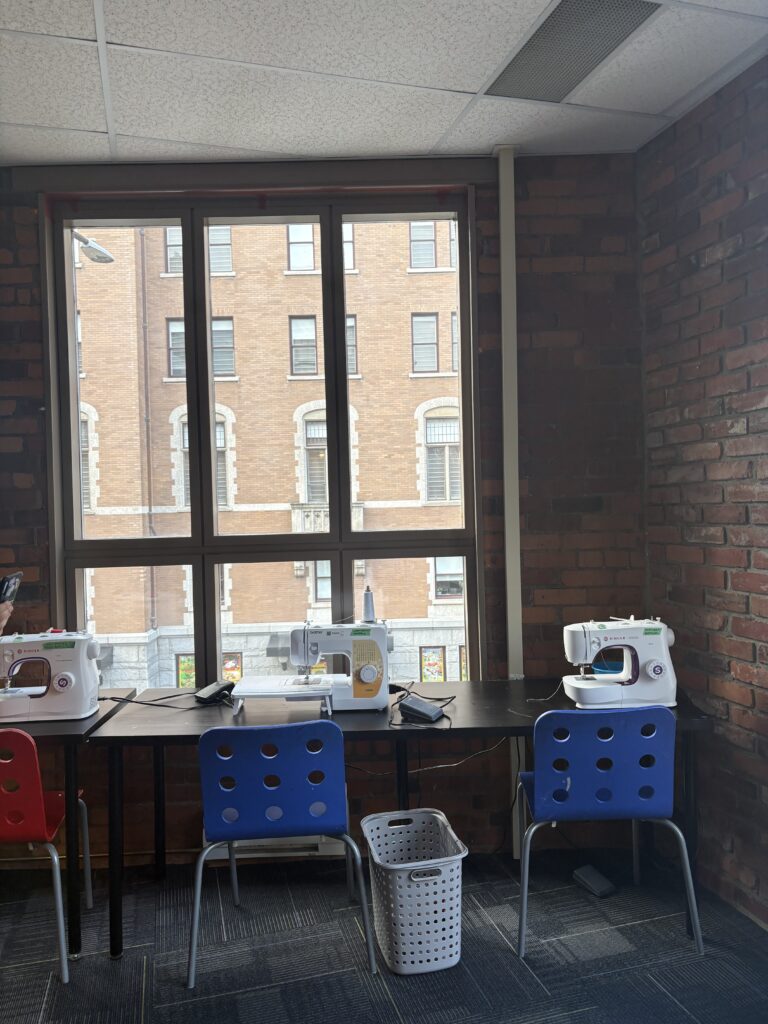
While there were many aspects of PSII I found myself aligned with or that I learned from, there were also parts I did not necessarily fully understand. For example, while the creative freedom and independence may be beneficial for some students, I think other students require extra direction, support and socialization that PSII does not offer. I also think the separation of grades in traditional schooling is a positive factor because different grades help differentiate varying skill levels and reduce comparing between peers. The lack of lectures/teacher to student teaching may not set students up for success in post-secondary schooling like university which is majority lecture styled learning. Finally, I am not sure if I fully understood how students were able to complete the required learning outlined in BC’s curriculum with the independent/inquiry project based learning. I think some of my views contrast to PSII’s learning because I don’t think one style learning is the right answer for all students but to be fair, Jeff shared how some students find that this learning strategy at PSII is not for everyone.
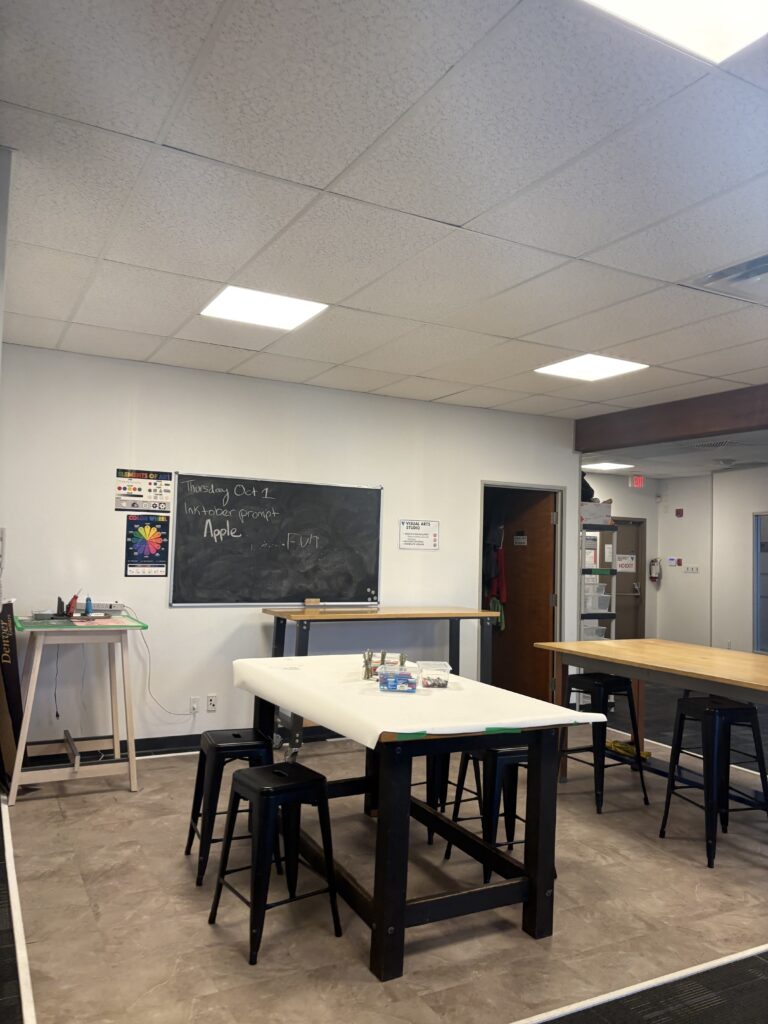
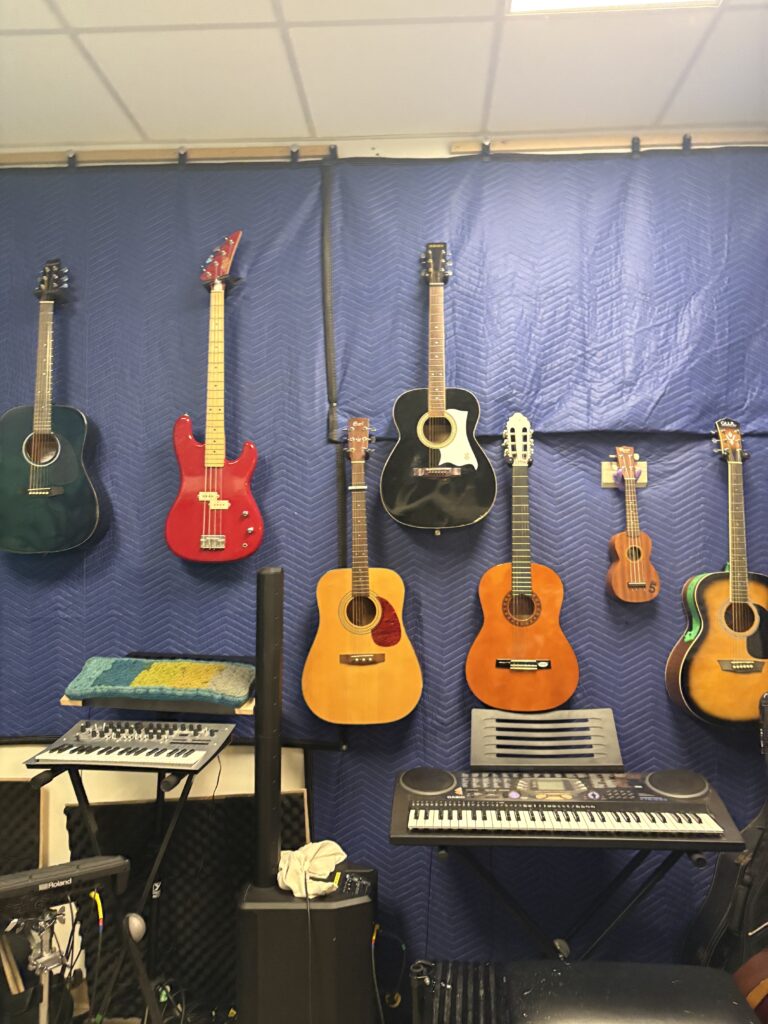
Finally, I think the Pacific School of Innovation and Inquiry is a beautiful educational space that supports learners who thrive with independent work and fosters self-reliance and imagination. I thoroughly enjoyed the time I spent at PSII and learnt tools I can take into my education path to set myself and my future students up for success and growth.